


Quick Summary / Snapshot
Technology has changed the way people learn, work, and achieve their goals. Motivation and technology now work together to improve productivity, build new skills, and support personal growth. When used wisely, digital tools help people stay focused and motivated. However, poor technology habits can also reduce concentration and slow progress.
Introduction
Motivation and technology have become essential parts of modern education. Traditional classrooms have evolved with the use of smart boards, educational apps, videos, and online learning platforms. These digital tools make lessons more interactive, engaging, and easier for students to understand.
As technology improves the learning experience, students become more interested and actively participate in their studies. Interactive activities such as quizzes, videos, and online discussions encourage deeper engagement and stronger motivation. Together, motivation and technology create a learning environment that supports better understanding, improved academic performance, and long term success.
Overview of Technology in Education
- Technology includes tools like computers, tablets, smart boards, and mobile apps
- Online platforms allow students to learn anytime and anywhere
- Videos and animations make difficult topics easier to understand
- Digital classrooms improve communication between teachers and students
- Learning becomes more flexible and personalized
Why Student Motivation Matters
- Motivation helps students stay focused on their studies
- It increases learning speed and understanding
- Motivated students perform better in exams
- It builds confidence and problem solving skills
- High motivation leads to long term success in education
How Motivation and Technology Work Together

Technology has changed the way people stay motivated. In the past, people mainly depended on books, teachers, mentors, or workplace training to stay inspired. Today, digital tools make learning, planning, and tracking progress much easier. This is why motivation and technology are closely connected in both personal and professional life.
The biggest advantage of technology is that it provides quick access to information and helpful resources. People can learn a new skill, set goals, join online communities, or receive instant feedback within minutes. These experiences keep motivation high because progress becomes easier to measure and celebrate.
Technology Makes Goals More Visible
Many digital tools allow users to set daily, weekly, or monthly goals. Progress bars, reminders, and achievement badges encourage people to continue working toward their targets. Seeing small improvements every day creates confidence and builds long-term motivation.
Instant Learning Increases Confidence
Online courses, educational videos, and AI-powered learning platforms help people solve problems quickly. Instead of waiting for help, they can find answers immediately. As knowledge grows, confidence also increases, making it easier to stay motivated and continue learning.
Feedback Encourages Continuous Improvement
Technology provides instant feedback through quizzes, performance reports, fitness trackers, and productivity apps. This helps people understand what they are doing well and where they need improvement. Regular feedback keeps users engaged and motivates them to achieve better results.
Connection and Community Build Motivation
People often stay motivated when they learn or work with others. Online communities, discussion groups, and collaboration platforms allow individuals to share ideas, celebrate achievements, and receive encouragement. A supportive digital environment helps maintain motivation even during difficult situations.
Finding the Right Balance Matters
While technology provides many advantages, using it with balance and purpose is essential. Too many notifications, excessive social media use, and constant multitasking can reduce focus and lower productivity. Creating healthy digital habits ensures that motivation and technology work together to support success instead of becoming a distraction.
By using technology with clear goals and disciplined habits, anyone can improve learning, increase productivity, and maintain motivation over the long term.
How Motivation and Technology Work Together
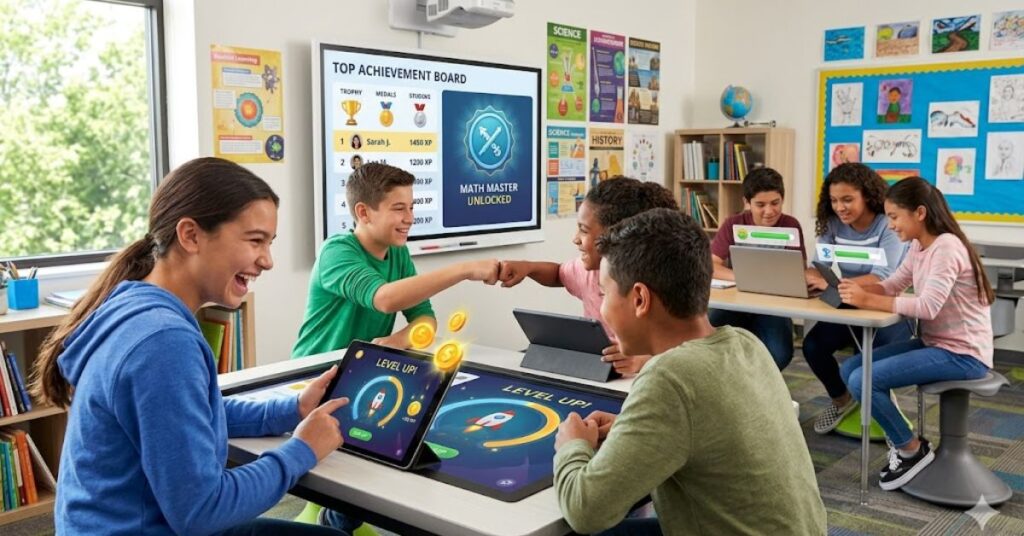
Motivation and technology work together to make learning more exciting and effective. Technology has changed the way students interact with lessons. Instead of feeling bored or distracted, students now feel more involved and interested. This is because digital tools create a fun and engaging learning environment. When students enjoy the process, their motivation automatically increases.
Motivation and technology are closely connected because technology makes it easier for people to achieve their personal, educational, and professional goals. Digital tools provide quick access to information, learning resources, and progress tracking, helping users stay focused and productive. Whether someone is improving a skill, managing daily tasks, or working toward a long-term goal, technology creates opportunities that keep motivation alive.
Benefits of Motivation and Technology
- Makes learning faster and more accessible.
- Helps people set and track personal goals.
- Improves productivity with digital tools.
- Provides instant feedback for continuous improvement.
- Encourages collaboration through online communities.
Challenges to Watch Out For
- Social media can reduce focus.
- Too many notifications interrupt productivity.
- Information overload can create confusion.
- Excessive screen time may lower motivation.
- Poor digital habits can delay long-term goals.
The Challenges of Motivation and Technology
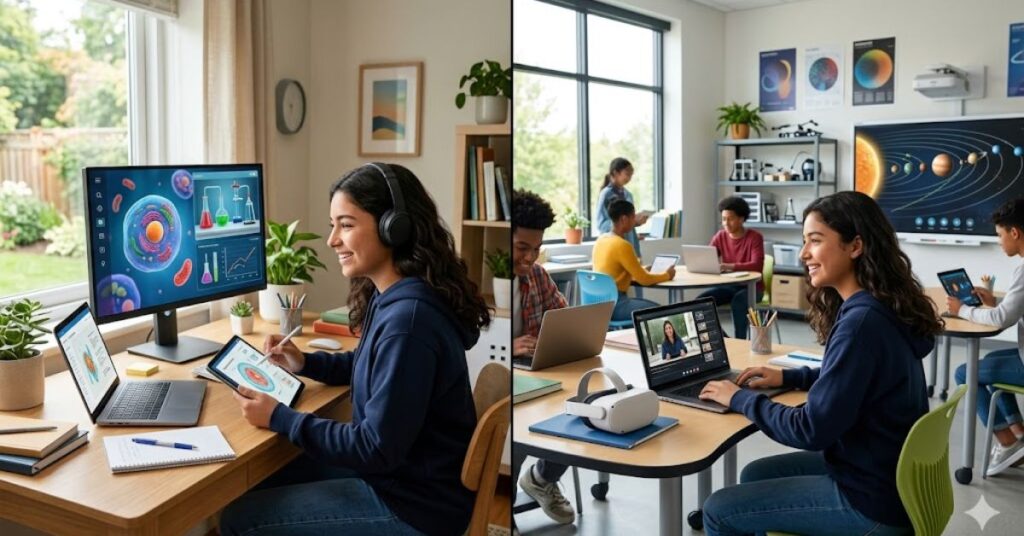
Although motivation and technology create many opportunities, they also bring challenges that can affect focus and productivity. Many people spend hours switching between apps, checking notifications, or scrolling through social media without realizing how much time is lost. These habits can reduce motivation and make it harder to complete important tasks. Learning to manage technology wisely is just as important as using it.
The good news is that these challenges can be controlled with better digital habits. Setting clear goals, limiting unnecessary screen time, and using technology for meaningful activities help people stay motivated and productive. A balanced approach allows technology to support personal growth instead of becoming a daily distraction.
Common Challenges
- Constant notifications break concentration.
- Social media can reduce productivity.
- Too much screen time causes mental fatigue.
- Information overload makes decision-making difficult.
- Multitasking often lowers work quality.
Simple Ways to Stay Motivated
- Turn off unnecessary notifications.
- Set daily goals before using digital devices.
- Take regular breaks from screens.
- Use productivity and time-management apps.
- Focus on one important task at a time instead of multitasking.
Practical Ways to Use Technology for Long Term Motivation

Even thoUsing motivation and technology effectively is not about spending more time with digital devices. It is about choosing tools that support your goals and help you make steady progress. Simple habits such as planning your day, tracking achievements, and using educational resources can improve productivity without creating unnecessary distractions. When technology becomes part of a healthy routine, it encourages continuous learning and keeps motivation strong.
Small and consistent actions often produce better results than relying on motivation alone. By using technology with discipline, people can develop better habits, stay organized, and achieve long-term personal and professional success.
Technology Habits That Build Motivation
- Set clear daily and weekly goals.
- Track your progress with digital tools.
- Use online courses to learn new skills.
- Schedule focused work sessions.
- Celebrate small achievements to stay motivated.
Best Digital Tools for Staying Productive
Time management and focus applications.
Goal and habit tracking apps.
Digital calendars and task planners.
Online learning platforms.
Note-taking and organization tools.
Best Practices for Using Motivation and Technology in Education

To get the best results from motivation and technology, it is important to use them in a balanced and smart way. Technology can greatly improve learning, but only when it is used with proper planning and guidance. Teachers, students, and schools all need to follow effective practices to make sure technology increases motivation instead of reducing it.
A strong educational system does not depend only on digital tools. It combines traditional teaching methods with modern technology. This balance helps students stay focused while also enjoying interactive learning. When motivation and technology are used correctly, they create a positive learning environment where students feel supported and engaged.
Balanced Use of Digital Tools
- Use technology as a support, not a replacement
- Limit screen time during learning sessions
- Combine books with digital resources
- Avoid over dependence on apps and devices
- Encourage offline study along with online learning
- Maintain a healthy learning routine
Teacher Strategies for Engagement
- Use videos and visuals to explain difficult topics
- Encourage students to participate in online discussions
- Provide regular feedback to improve performance
- Use quizzes and interactive activities
- Keep lessons short, clear, and engaging
- Motivate students with rewards and encouragement
Combining Traditional + Modern Methods
- Mix classroom teaching with digital tools
- Use blackboard explanations along with smart boards
- Encourage handwritten notes with online resources
- Balance group discussions with virtual learning
- Maintain personal interaction between teachers and students
- Create a hybrid learning system for better results
Common Mistakes When Using Motivation and Technology

Many people believe that using more technology automatically increases motivation, but that is not always true. The real benefit comes from using digital tools with a clear purpose. Depending too much on technology without building self-discipline can reduce focus and make it difficult to achieve long term goals.
A balanced approach helps people stay proMany people believe that using more technology automatically increases motivation, but that is not always true. The real benefit comes from using digital tools with a clear purpose. Depending too much on technology without building self-discipline can reduce focus and make it difficult to achieve long-term goals. A balanced approach helps people stay productive while avoiding unnecessary distractions.
Understanding these common mistakes can help you build healthier digital habits. By making small improvements in the way you use technology, you can stay motivated, improve your performance, and make better use of the tools available to you.
Mistakes That Reduce Motivation
- Using too many apps at the same time.
- Checking notifications every few minutes.
- Spending excessive time on social media.
- Setting unrealistic goals without a clear plan.
- Ignoring regular breaks during work or study.
Better Habits for Long-Term Success
Review your goals regularly and make improvements when needed.
Choose tools that match your goals.
Turn off unnecessary notifications while working.
Create a daily routine and follow it consistently.
Track your progress instead of comparing yourself with others.
Future of Motivation and Technology in Education

The future of education is strongly connected with motivation and technology. As digital tools continue to grow, the learning system will become more advanced, personalized, and intelligent. In the coming years, technology will not just support education it will reshape the entire learning experience. Students will learn in smarter, faster, and more engaging ways.
One of the biggest changes will come from artificial intelligence and smart learning systems. These tools will understand student behavior and adjust lessons according to their needs. This will make learning more personalized and effective. When motivation and technology work together in the future, students will receive content that matches their learning speed and style, which will increase motivation naturally.
AI and Smart Learning Systems
- AI will create personalized study plans for students
- Smart tutors will help students 24/7
- Systems will track progress and suggest improvements
- Automated feedback will speed up learning
- Students will learn at their own pace
- Education will become more data-driven and efficient
Trends Shaping Student Motivation
- Use of virtual reality classrooms
- Increased gamified learning experiences
- Mobile-first education systems
- More interactive and visual content
- Hybrid learning (online + offline) models
- Greater focus on skill-based learning
Real Life Example: How Motivation and Technology Create Better Results

A university student wanted to improve study habits but often lost focus because of social media and poor time management. Instead of spending more hours studying, the student started using a digital planner, a focus timer, and an online learning platform. Daily goals were divided into small tasks, and progress was tracked at the end of each day. Within a few weeks, study time became more organized, assignments were completed on schedule, and confidence gradually increased.
This example shows that motivation and technology work best when technology supports a clear purpose. The apps themselves did not create success. Success came from using the right digital tools with consistency and discipline. The same approach can help professionals manage projects, employees improve productivity, and individuals build healthy habits that lead to long-term growth.
Author Note
As technology continues to evolve, the way people stay motivated will also change. From my experience researching productivity, digital learning, and personal development, the most successful people are not those who use the most technology they are the ones who use it with a clear purpose. Motivation and technology become a powerful combination when digital tools support meaningful goals instead of creating unnecessary distractions.
Remember that technology is only a tool. Your mindset, discipline, and daily habits are the real drivers of success. Choose digital solutions that help you learn, stay organized, and improve consistently. Small actions repeated every day will always produce better long-term results than relying on motivation alone.
Disclaimer
This article is for educational and informational purposes only. The strategies and examples shared here are general recommendations and may not produce the same results for everyone. Individual experiences depend on personal goals, work environment, learning style, and technology usage. Always choose digital tools and productivity methods that best match your own needs and objectives.
Conclusion
Motivation and technology have changed the way people learn, work, and achieve their goals. When used with purpose, technology can improve productivity, encourage continuous learning, and make it easier to track progress. At the same time, maintaining healthy digital habits is essential to avoid distractions and stay focused on what truly matters.
The key to long-term success is finding the right balance. Instead of allowing technology to control your daily routine, use it as a tool that supports your personal and professional growth. By setting clear goals, choosing the right digital tools, and staying consistent, you can turn motivation and technology into a powerful combination for lasting success.
Frequently Asked Questions (FAQs)
1. What is the relationship between motivation and technology?
Technology supports motivation by providing learning resources, productivity tools, goal tracking, and instant feedback that help people stay focused and achieve their objectives.
2. How does technology improve motivation?
Technology improves motivation by making learning easier, tracking progress, setting reminders, and helping people develop better habits through digital tools.
3. Can technology reduce motivation?
Yes. Excessive social media use, constant notifications, and too much screen time can reduce focus and lower motivation if technology is not used wisely.
4. What are the best tools for staying motivated?
Goal trackers, digital calendars, note-taking apps, habit trackers, online learning platforms, and time-management tools are useful for maintaining motivation.
5. Why is balance important when using technology?
A balanced approach helps people enjoy the benefits of technology while avoiding distractions, improving productivity, and maintaining long-term motivation.
6. Can students benefit from motivation and technology?
Yes. Students can use educational apps, online courses, AI learning tools, and digital planners to improve learning, stay organized, and achieve better academic results.
7. What is the best way to use technology for long term success?
Set clear goals, use technology with a purpose, limit distractions, track your progress regularly, and build consistent daily habits to achieve lasting success.